Specialist Service
Epilepsy & Seizures
Expert diagnosis, management, and ongoing care for epilepsy and seizure disorders. Our neurologists specialise in both newly diagnosed epilepsy and complex cases requiring advanced treatment strategies.
Conditions We Treat
- First seizure assessment
- Generalised epilepsy
- Focal (partial) epilepsy
- Drug-resistant epilepsy
- Absence seizures
- Non-epileptic seizures
- Febrile seizures
- Status epilepticus management
Treatments & Services
- Anti-epileptic medications
- EEG monitoring and interpretation
- Advanced epilepsy imaging review
- Medication optimisation
- Lifestyle modification counselling
- Referral for surgical evaluation
- Women's epilepsy care (pregnancy planning)
- Driving and lifestyle advice
! When to Seek Help
See a neurologist if you experience:
- • First-time seizure (always requires urgent evaluation)
- • Unexplained blackouts or fainting spells
- • Staring spells or brief "absences"
- • Seizures despite being on medication
Call 000 immediately for:
- • Seizure lasting more than 5 minutes
- • Multiple seizures without recovery
- • Seizure with breathing difficulties
- • Seizure with injury
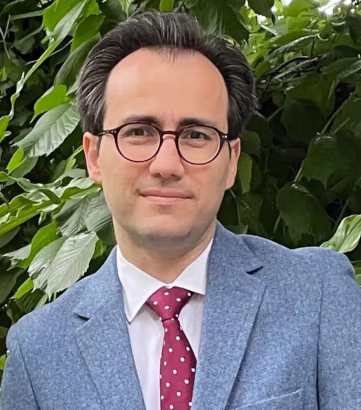
Our Epilepsy Specialists
Patient Resources
Helpful guides and checklists for your epilepsy care journey
🧠
Symptoms When to See a Neurologist: Symptom Checklist
Learn which symptoms warrant a specialist consultation, including seizures and blackouts.
Read Guide 📋
Patient Guide Preparing for Your Neurology Appointment
A complete checklist to help you get the most out of your first neurologist visit.
Read Guide ✅
Patient Guide After Your Visit: Follow-Up Care Guide
Managing your treatment plan, understanding your medications, and knowing when to seek urgent care.
Read Guide
FAQ
Epilepsy FAQ
Common questions about epilepsy diagnosis and treatment
What is epilepsy and how is it diagnosed?
Epilepsy is a neurological condition characterised by recurrent seizures caused by abnormal electrical activity in the brain. Diagnosis involves a detailed medical history, neurological examination, and tests such as EEG (electroencephalogram) to measure brain electrical activity. MRI or CT scans may also be needed to identify any structural causes.
What should I do if I have my first seizure?
A first seizure always requires urgent medical evaluation. After ensuring your immediate safety, you should see a doctor promptly. Your GP can provide an urgent referral to a neurologist. First seizure assessment is important to determine the cause, risk of recurrence, and whether treatment is needed. Keep a record of what happened before, during, and after the seizure.
Can epilepsy be cured or controlled?
While epilepsy cannot always be cured, it can be very well controlled in most people. Approximately 70% of people with epilepsy can become seizure-free with the right medication. Some people may eventually be able to stop medication, while others may need lifelong treatment. For drug-resistant epilepsy, surgical options may be considered.
What are the different types of seizures?
Seizures are broadly classified as focal (starting in one area of the brain) or generalised (affecting both sides). Focal seizures may cause unusual sensations, movements, or altered awareness. Generalised seizures include tonic-clonic (convulsions), absence seizures (brief staring spells), and myoclonic seizures (sudden jerks). The type of seizure helps guide treatment choices.
Can I drive if I have epilepsy?
Driving regulations for people with epilepsy vary by state but generally require you to be seizure-free for a specific period (usually 12 months for private vehicle licence in Australia). You must notify your state transport authority and your neurologist will assess your fitness to drive. Driving against medical advice can void your insurance and have legal consequences.
Is it safe to have children if I have epilepsy?
Most women with epilepsy can have healthy pregnancies, but planning is important. Some anti-epileptic medications can affect pregnancy, so discuss your plans with your neurologist before conceiving. Medication adjustments may be needed, and higher doses of folic acid are often recommended. Our team provides specialised care for women's epilepsy including pregnancy planning.
Ready to Discuss Your Epilepsy Care?
Our specialist neurologists are here to help with diagnosis, treatment, and ongoing management.